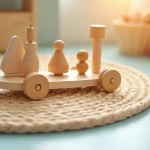
Montessori toys have captured the imagination of parents, educators, and caregivers worldwide. Their simplicity, sensory-rich materials, and natural design distinguish them in the expansive world of educational toys. By encouraging independence and exploration from an early age, these toys offer more than entertainment—they foster essential developmental skills during a child’s formative years. This article explores what sets a Montessori toy apart, how it supports growth, and why wooden toys remain at the heart of this educational approach.
What defines a Montessori toy?
A Montessori toy is purposefully crafted to support child-led discovery and development. Unlike many modern toys that rely on flashing lights or repetitive sounds, these options emphasize real-world textures and movement. The goal is to promote active participation through fine motor skill activities and problem-solving rather than passive entertainment.
In parallel : Top Must-Have Features to Choose the Perfect Winter Coat
In the Montessori philosophy, each object serves a clear purpose. Toys are designed with specific objectives that target distinct developmental milestones for infants and toddlers. Simplicity is key—objects avoid unnecessary distractions, ensuring children focus on building authentic life skills through play.
The role of natural and sensory-rich materials
Additional reading : Dumbo plush: soft, cuddly, and perfect for all ages
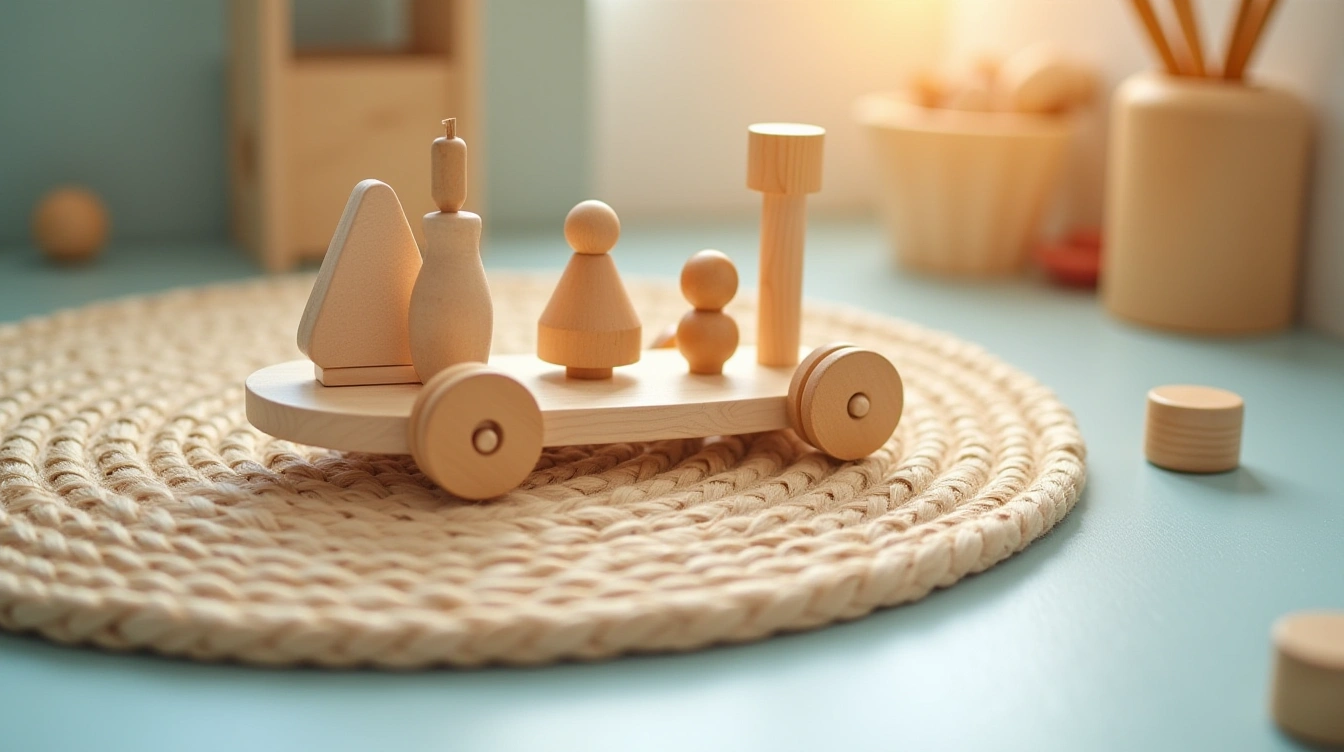
Natural materials form the foundation of genuine Montessori toys. Wood, cotton, metal, and wool replace plastic and electronic components, offering inviting surfaces and satisfying weights for children to explore. These choices provide deeper, richer sensory feedback that nurtures a child’s understanding of the physical world. For parents looking for specialized resources and carefully curated toy selections, the-montessori-shop.com offers a variety of options aligned with these values.
Sensory-rich objects stimulate sight, touch, and sound without overwhelming young learners. Children manipulate high-quality wood and woven fibers, discovering sensations such as weight, warmth, and texture. Every interaction encourages observation, grasping, and movement—crucial elements for both cognitive and physical development.
Benefits of using natural materials
Parents often choose wooden toys within the Montessori tradition because they are durable and comfortable for small hands. Natural finishes provide authentic sensations and help reduce exposure to synthetic chemicals found in some conventional toys.
Beyond longevity, toys made from natural materials also foster ecological awareness. By interacting daily with eco-friendly, non-toxic objects, children develop an early appreciation for sustainability.
Sensory-rich materials in practice
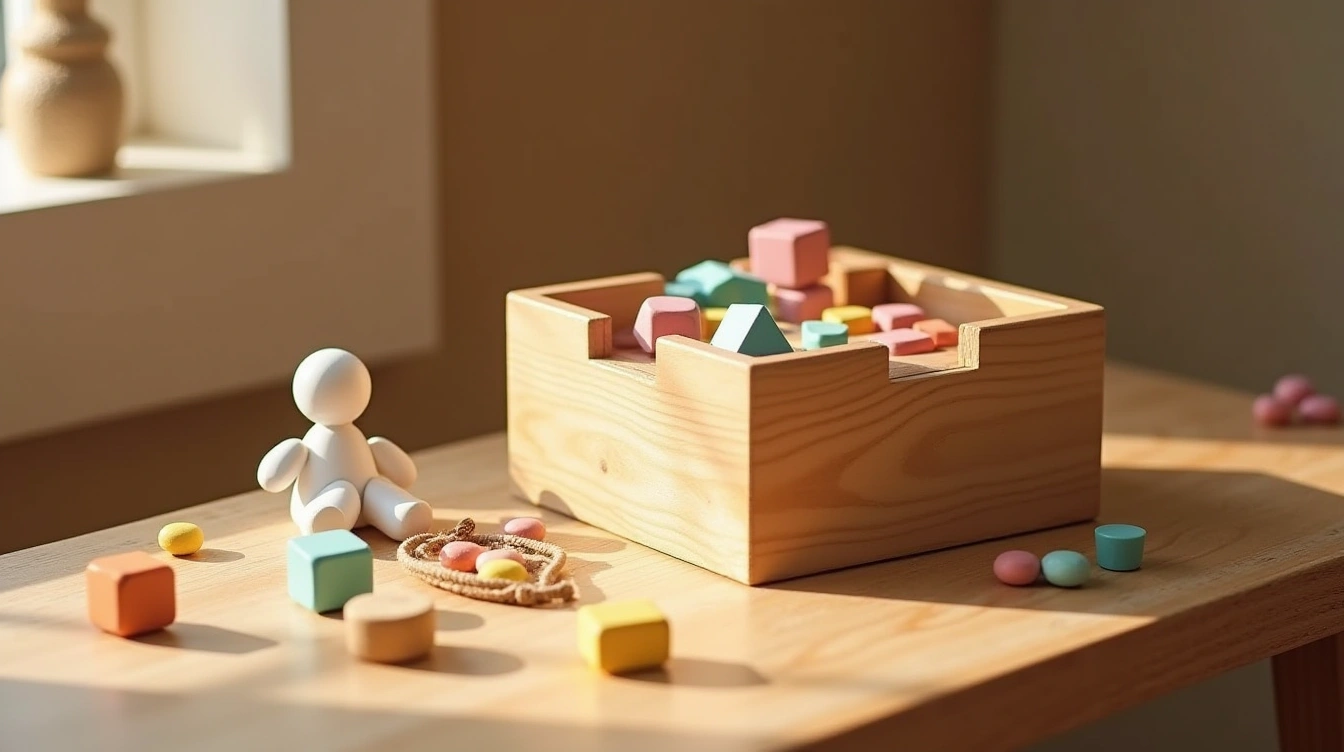
Blocks with varying shades, fabrics featuring bumps or ridges, and smooth wooden stacking rings all encourage hands-on learning. These toys offer different levels of resistance, allowing children to compare shapes, sizes, and temperatures while developing their senses.
Each item provides opportunities for experimentation, all within a framework aligned with traditional Montessori principles of gentle, guided discovery.
Hands-on learning and development stages
From infancy onward, children benefit when their daily play involves sorting, moving, and building. Montessori toys offer unique advantages by inspiring creativity and collaboration across ages. Whether shaking a rattle or threading beads, young learners become deeply engaged with every task.
This engagement nurtures fine motor skills, ignites a love for learning, and lays the groundwork for future academic achievement.
Infant and toddler toys: tailored beginnings
Play gyms with hanging wooden elements invite infants to bat, grip, and gaze at gently moving pieces. As coordination improves, simple puzzles or shape sorters teach persistence and spatial relationships, paving the way for more advanced developmental toys later.
Stacking cups and rings introduce foundational math concepts—such as big versus small or empty versus full—long before formal instruction begins.
Fine motor skill activities for growing minds
Threading beads, fitting discs onto dowels, and pouring grains from one container to another are classic Montessori fine motor skill activities. These exercises demand concentration, precision, and steady hand-eye coordination.
Regular practice strengthens the small muscles in fingers and wrists, preparing children for tasks like buttoning shirts or holding pencils. Progress may seem gradual but often leads to significant leaps in confidence and capability.
- Promotes sensory-rich play
- Suited for infants and toddlers
- Made from natural and sustainable materials
- Supports problem-solving and independence
- Strengthens fine motor skills
| Developmental stage | Example toy | Focused skill |
|---|---|---|
| Infancy (0-12 months) | Wooden rattle | Grasp reflex |
| Toddler (1-3 years) | Shape sorter | Problem-solving |
| Preschool (3-6 years) | Lacing beads | Fine motor control |
Encouraging independence through play
Independence is a core value of the Montessori approach. Toys are carefully chosen and displayed so children can select, use, and return them with little adult help. Open shelving, baskets, and trays empower children to make decisions and care for their play environment.
This purposeful freedom builds ownership, boosts motivation, and fosters self-direction—a foundation that benefits children throughout their lives.
Comparison with conventional educational toys
While many products claim to be educational toys, only a few truly reflect the Montessori emphasis on autonomy and process-focused learning. Mainstream items often prioritize entertainment over meaningful exploration.
Montessori-inspired wooden toys focus on quality over quantity, favoring curated selections instead of shelves filled with gadgets or multi-use electronics. Each toy fulfills a clear developmental purpose, avoiding distractions such as noise or flashing lights.
The lasting value of Montessori toys
Families find that investing in Montessori-based toys leads to fewer but more impactful purchases. These items adapt to evolving interests and abilities, growing alongside the child.
Heirloom-quality wooden toys often serve multiple siblings or generations, reducing waste and maintaining a consistent educational theme rooted in growth and discovery.
Questions parents often ask about Montessori toys
Why are Montessori toys often made from wood rather than plastic?
Montessori toys commonly feature wood because it offers valuable sensory input—including variations in weight, temperature, and texture. Wooden toys are durable and safe, supporting long-term use that often surpasses plastic alternatives.
- Natural material delivers diverse tactile experiences
- Enhanced sustainability compared to synthetics
- Reduced chemical exposure for infants and toddlers
How do Montessori toys support fine motor skill development?
Through activities like threading, sorting, stacking, and pouring, Montessori toys challenge children to coordinate hands, eyes, and fingers. Repetitive use gradually refines dexterity and builds foundational skills needed for writing and everyday tasks.
- Threading beads
- Fitting puzzle pieces
- Transferring objects with spoons or tongs
Are Montessori toys suitable for all ages?
Most Montessori toys are created for targeted developmental stages, spanning infancy to early childhood. While some appeal broadly, always check safety guidelines and recommended age ranges to ensure suitability for your child’s needs.
| Age group | Typical toy |
|---|---|
| 0–12 months | Rattles, visual mobiles |
| 1–3 years | Stacking blocks, simple puzzles |
| 3–6 years | Lacing sets, counting beads |
What should I consider when choosing Montessori toys for my child?
Look for toys made from natural materials, free from small loose parts for younger children, and sized for easy grasping. Prioritize simplicity, single-task focus, and sensory-rich details. Choose items that align with your child’s current motor and cognitive development.
- Assess developmental suitability
- Check for quality craftsmanship
- Favor objects with visual and tactile interest
In summary, Montessori toys stand out for their thoughtful design, use of natural materials, and focus on hands-on learning. By supporting independence and promoting development through sensory-rich experiences, these toys offer lasting value for families seeking meaningful play. As you consider educational options for your child, exploring the Montessori approach opens new possibilities for growth, confidence, and joyful discovery.